
Overview
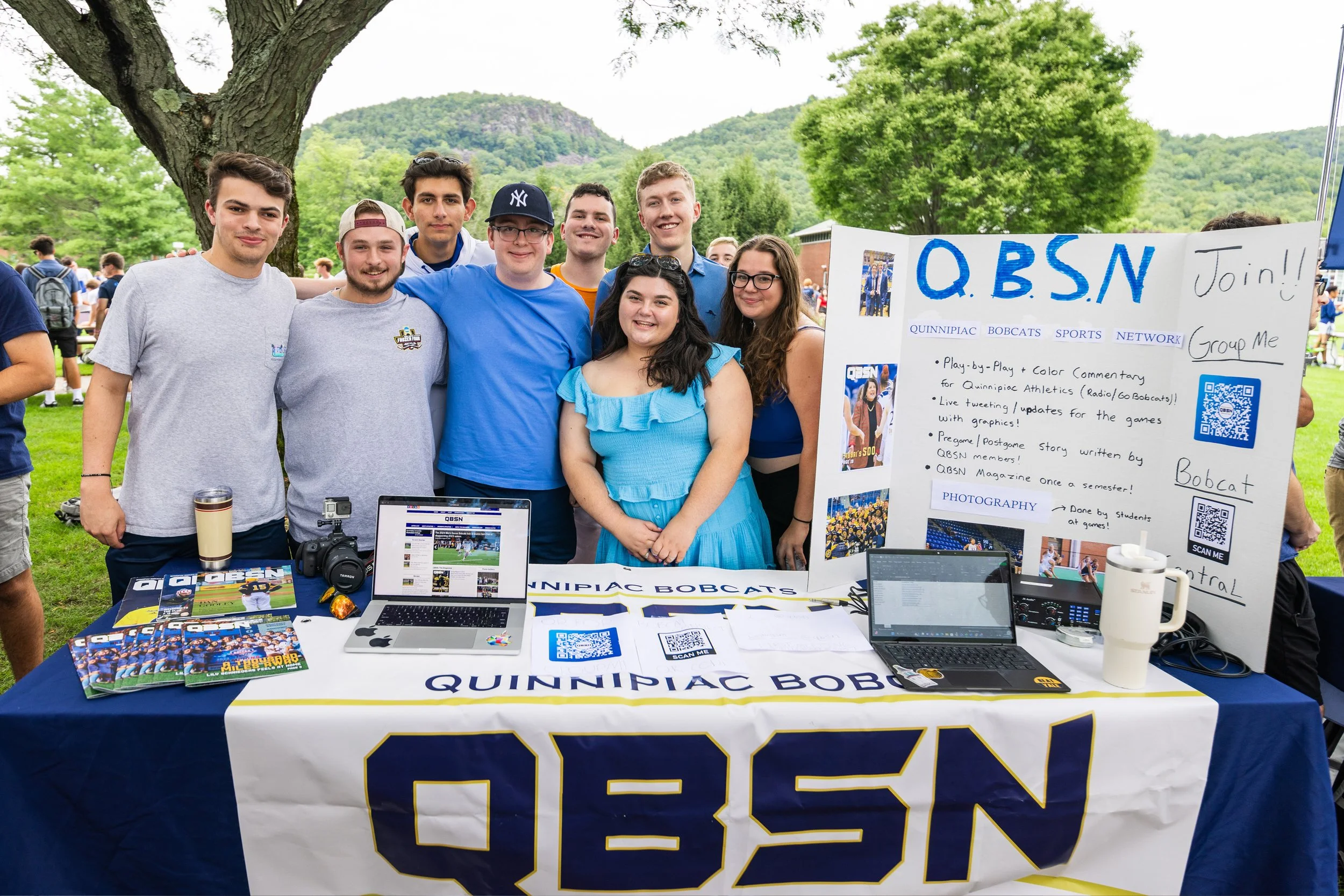
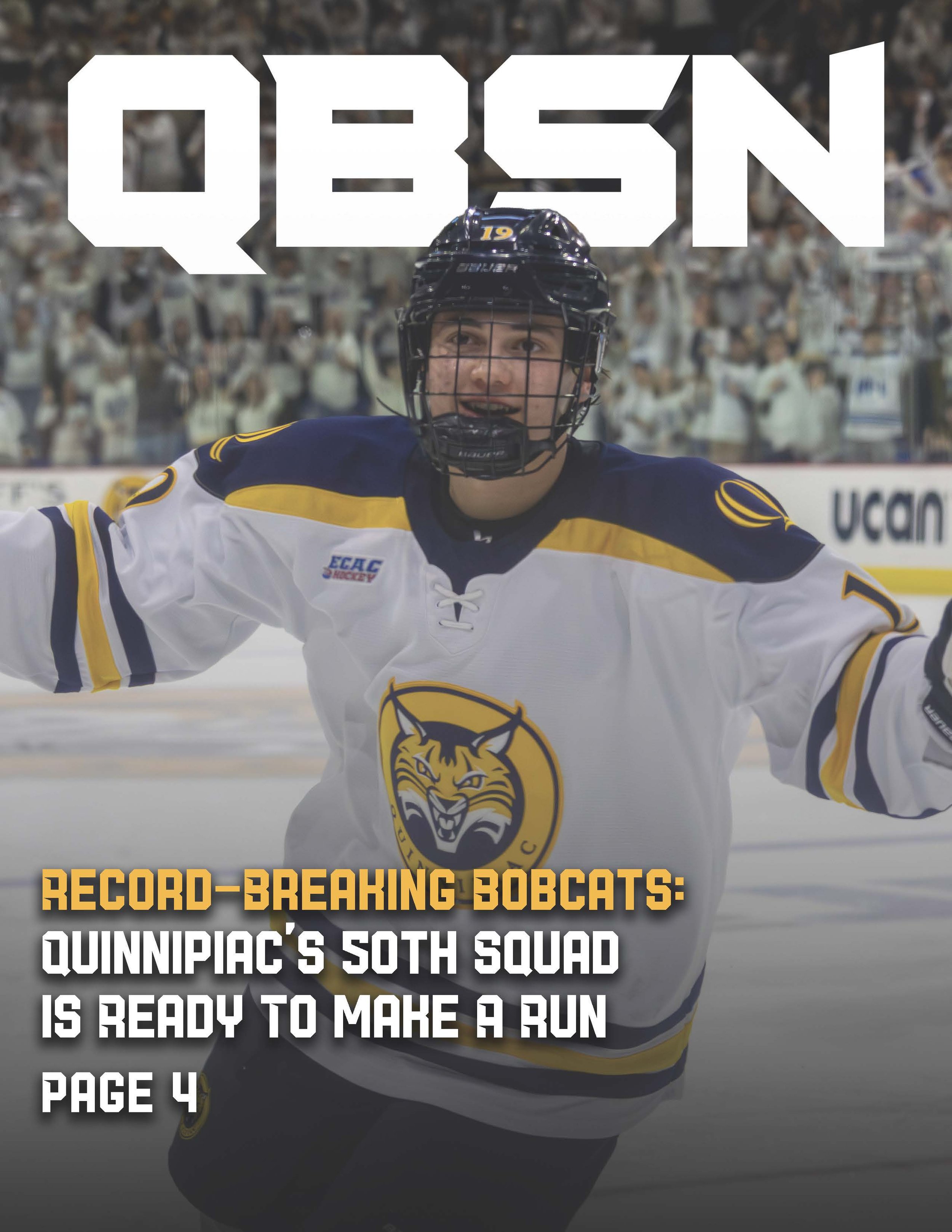
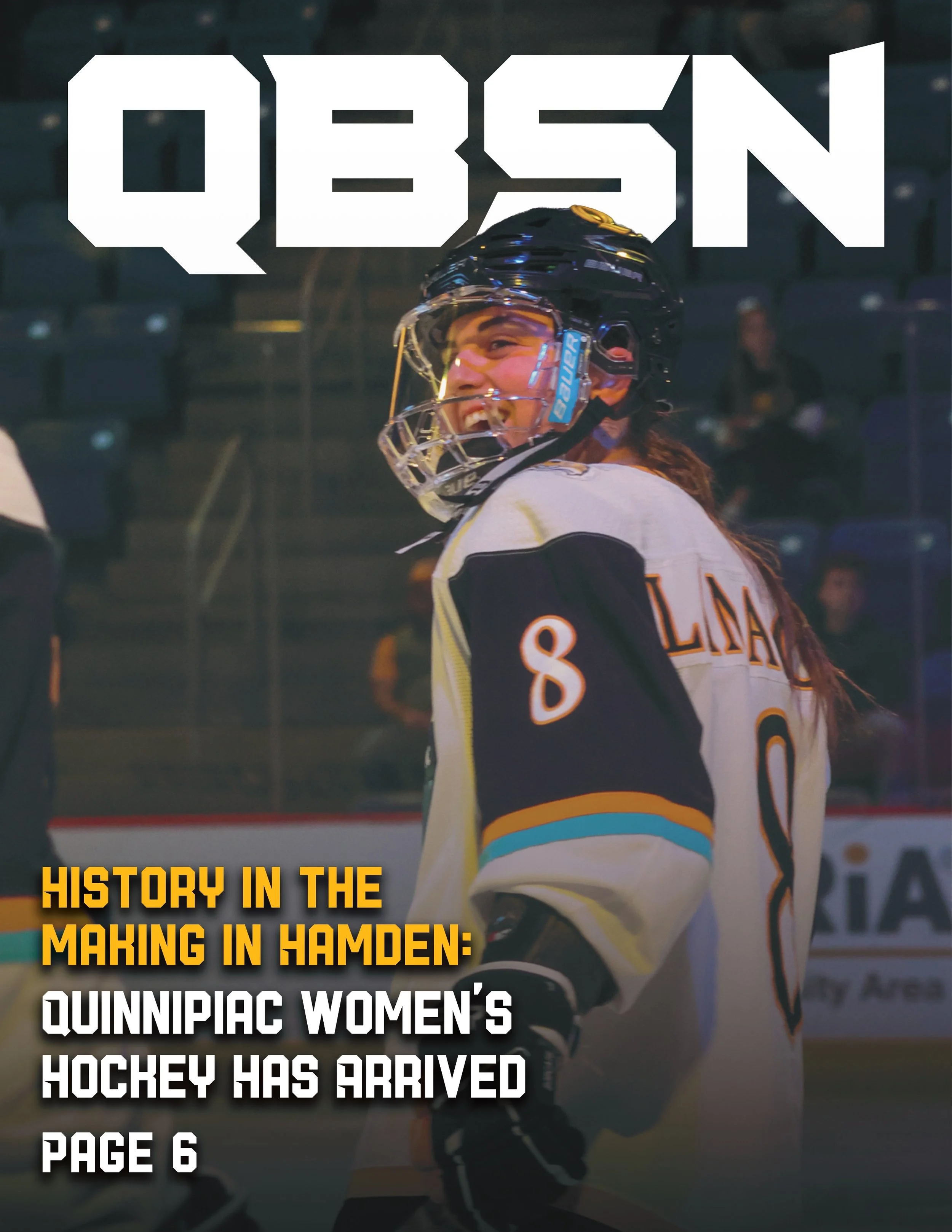
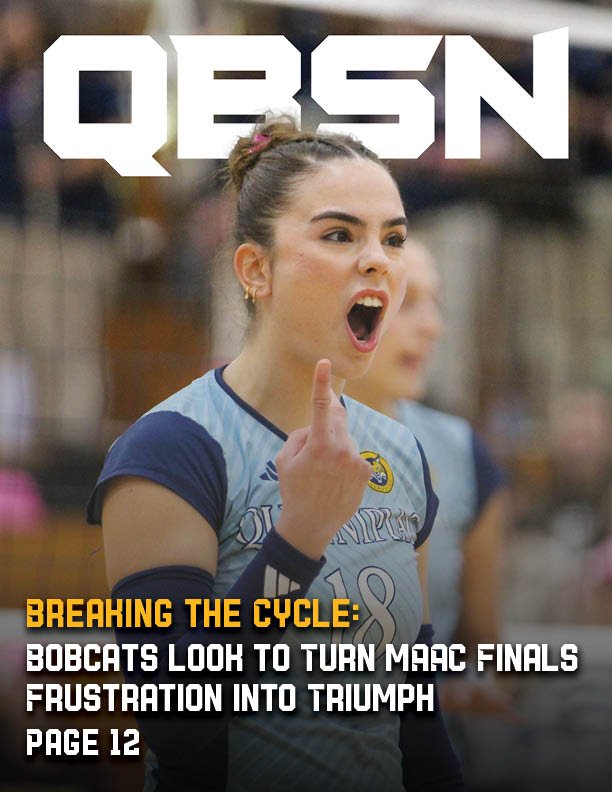
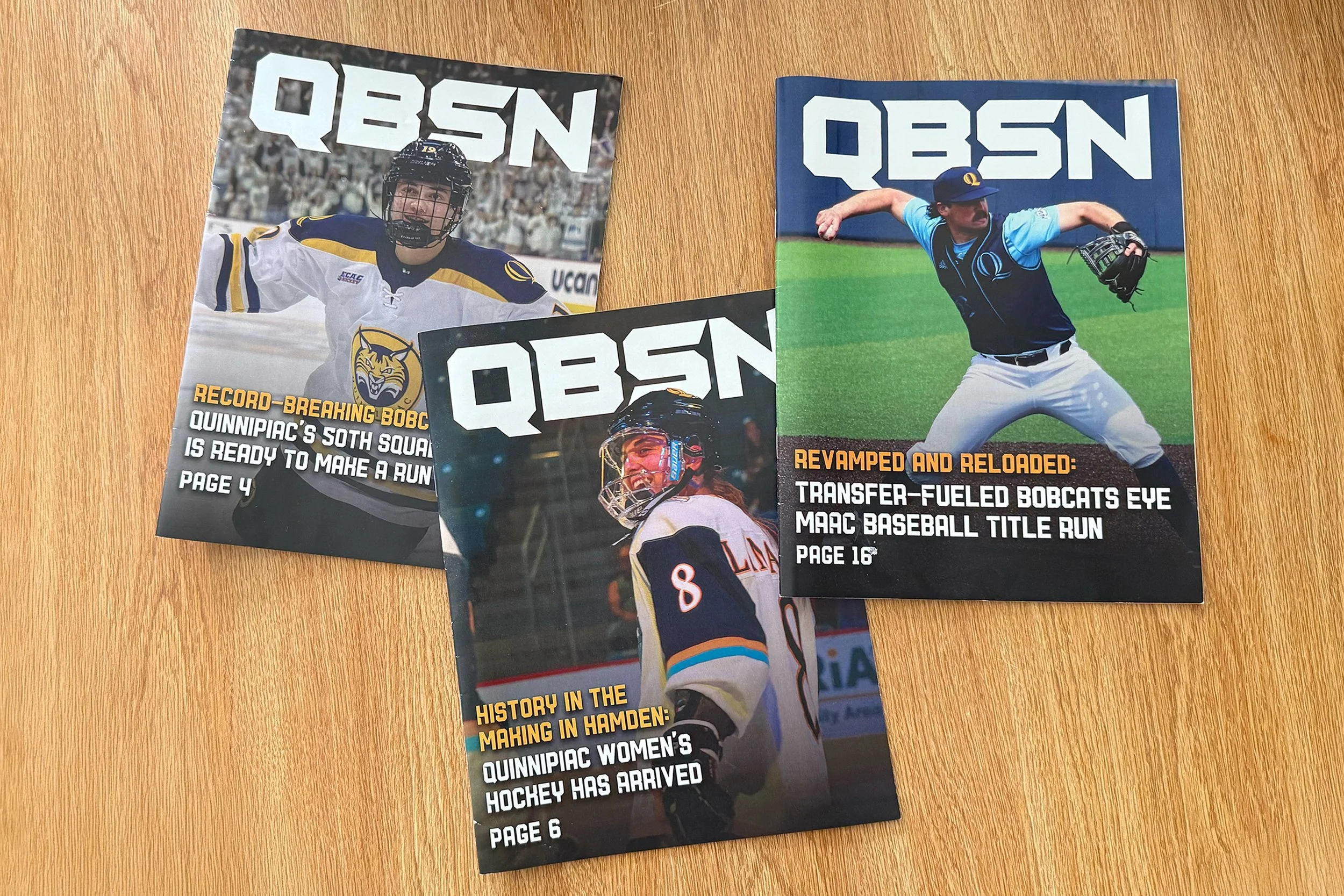
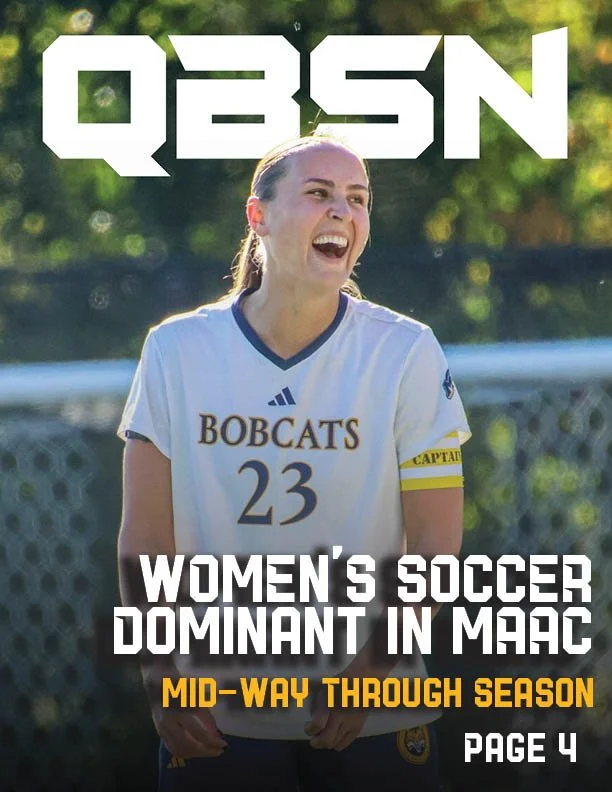
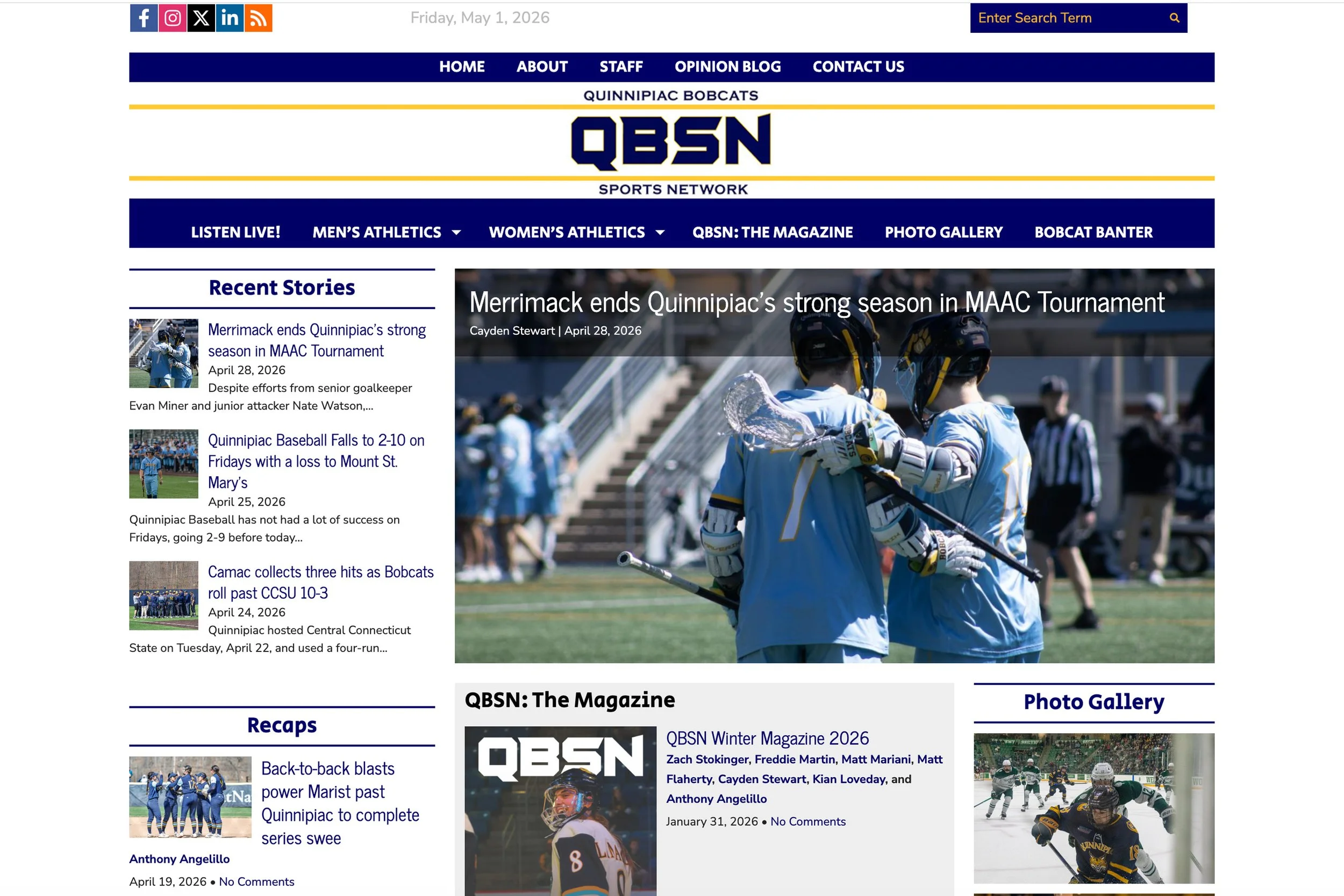
Since Fall 2024, I’ve worked as the Lead Designer for Quinnipiac Bobcats Sports Network at Quinnipiac University, where I design and produce QBSN: The Magazine.
In this role, I’m responsible for leading the full design and production process across four issues per year. I handle layout design, article placement, and overall visual direction, while also coordinating a design team and working directly with the printer to bring each issue to life.
Each issue runs between 20 to 24 pages, requiring consistent structure, strong organization, and attention to detail from start to finish.

Opportunity
Magazine design is very different from the social and digital work I usually do. Instead of quick, single graphics, this is a long-form design that requires:
Consistency across dozens of pages
Strong typography and layout systems
Clear storytelling through design
Close collaboration with writers and editors
When the magazine was passed down to me, I saw an opportunity to refresh the design and bring it closer to a more modern sports publication style that better reflects today’s design landscape.
My Role
Title: Lead Designer
Timeline: Fall 2024 – Present
Tools: Adobe Photoshop, Adobe InDesign
Output: Four issues per year
Responsibilities
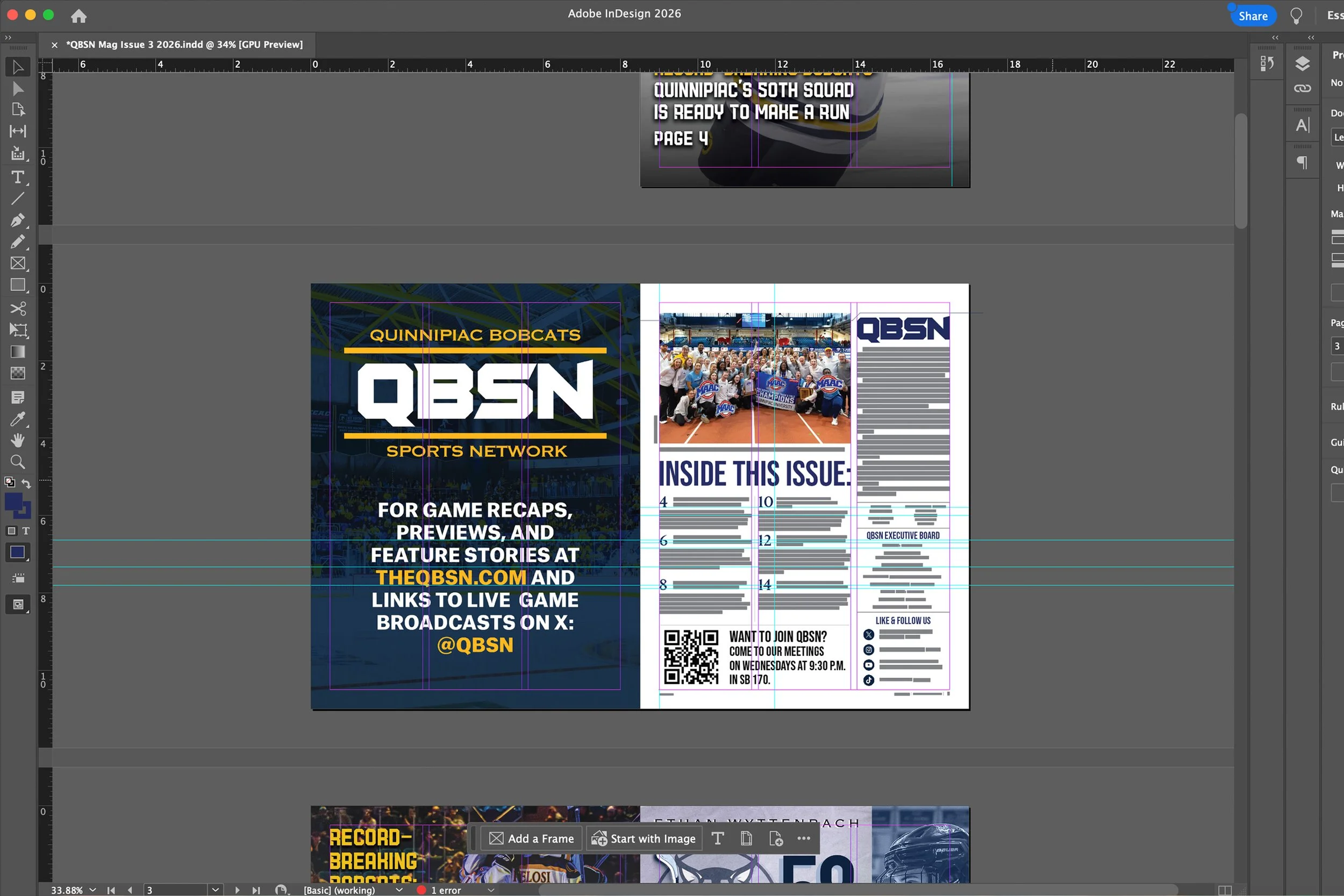
Designed full magazine layouts for each issue
Determined final placement of all articles and visuals
Led and organized a supporting design team
Worked as the primary contact with the printer
Made final decisions on format, layout, and visual direction
Collaborated with the Editor-in-Chief on final content and edits
This role combines creative direction, production management, and collaboration across multiple contributors.
Strategy & Execution

1. Modernizing the Magazine Design
One of my first priorities was refreshing the overall look of the magazine.
I updated the design to feel more modern by:
Simplifying layouts for cleaner readability
Improving typography choices and hierarchy
Creating more intentional use of white space
Aligning visuals with current sports media trends
The goal was to make the magazine feel more current, polished, and engaging while still keeping it structured and easy to read.

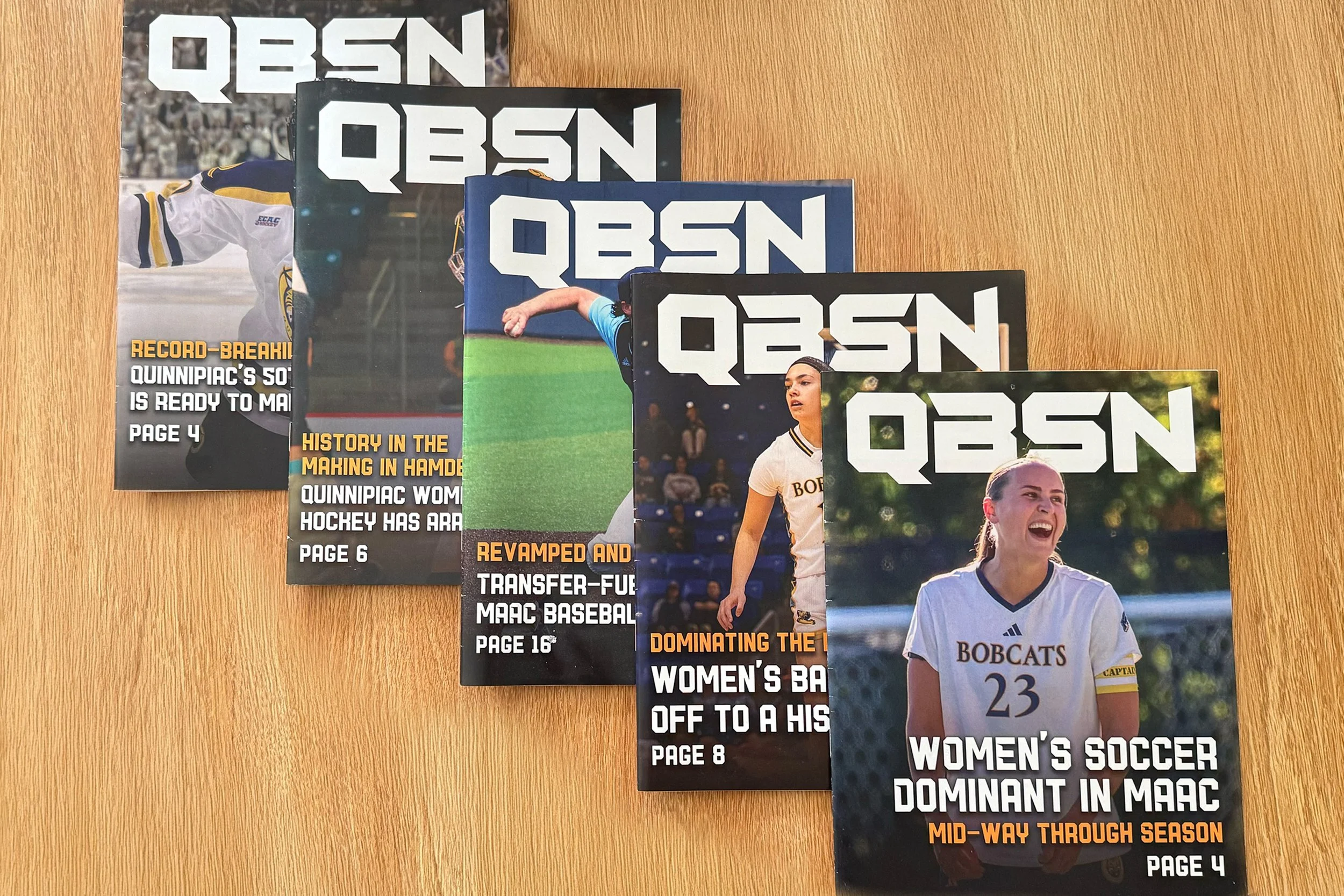
2. Building a Consistent Editorial System
With multiple issues per year, consistency is key.
I developed a repeatable system that included:
Grid-based layouts for structure
Defined typography styles for headlines, body copy, and captions
Standardized spacing and alignment
Flexible templates for different article types
This made it easier to maintain quality across all pages while still allowing creative flexibility where needed.

3. Designing for Readability and Flow
Since this is long-form content, the design needed to support the reading experience.
I focused on:
Clear visual hierarchy to guide readers through each page
Balanced layouts that don’t feel overcrowded
Strategic use of imagery to break up text
Logical flow from one article to the next
The goal was to keep readers engaged throughout the entire magazine, not just on individual pages.

4. Collaboration with Editorial & Print
This role involved constant communication.
I worked closely with:
The Editor-in-Chief to finalize content and edits
Writers to ensure layouts matched the tone of each article
The design team to maintain consistency and quality
The printer to prepare and deliver final files
Being the main point of contact with the printer meant making sure everything was technically correct and ready for production.
Design Considerations
Editorial Hierarchy
Typography and layout needs to clearly guide the reader.
Consistency Across Issues
Each issue needed to feel like part of the same publication.
Print Production
Designing for print required attention to margins, bleeds, and formatting.
Balance of Content
Pages needed to feel engaging without being overwhelming.
Impact
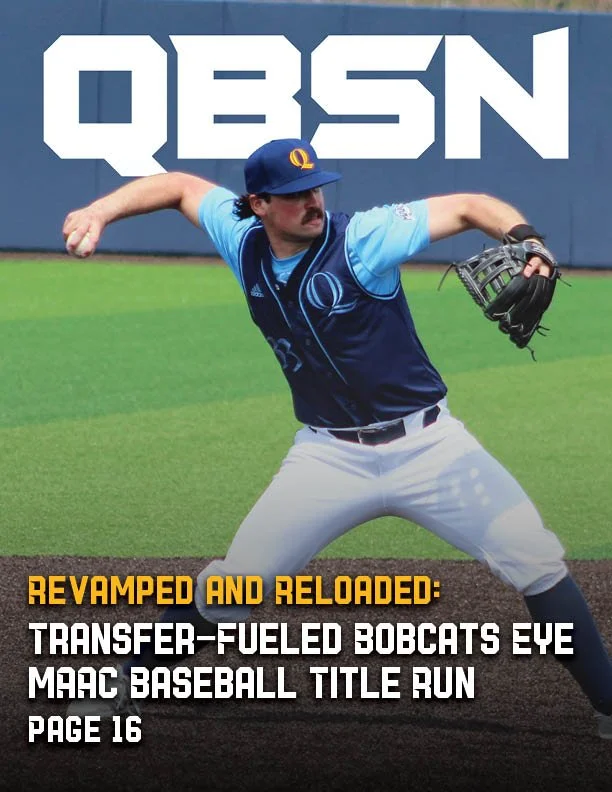
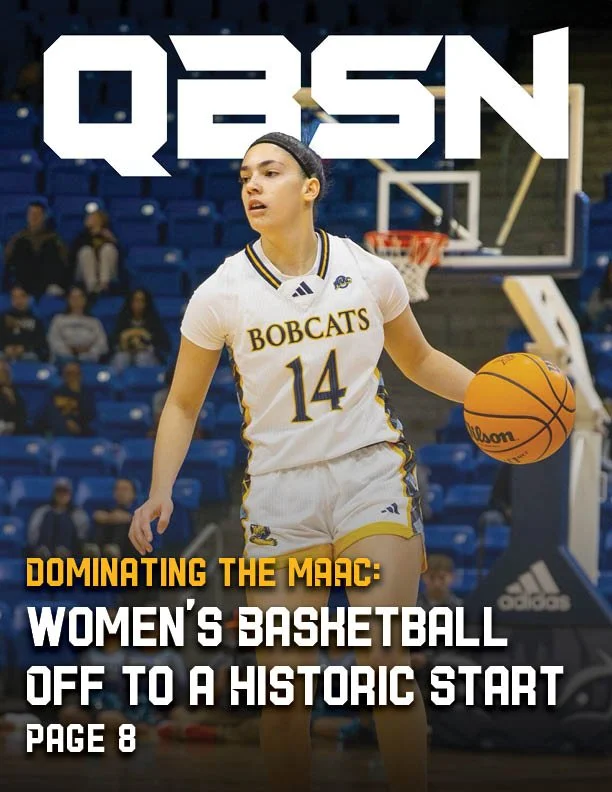
Designed and produced four full magazine issues per year
Refreshed the visual identity to better match modern sports media
Improved overall readability and structure across issues
Maintained consistency across a high number of pages and contributors
Beyond the output itself, this role helped elevate the magazine into a more polished and professional publication.
Reflection
This experience pushed me to grow in a different way than my other design roles.
It strengthened my ability to:
Design long-form, multi-page layouts
Think in systems across an entire publication
Lead a team and manage creative output
Work through a full print production process
It also gave me a better understanding of how design supports storytelling. Every layout decision plays a role in how the content is experienced.